|
| 商品編號: | DCG5920 | |
| 商品名稱: | 新編淮南子 出版公司:國立編譯館 作者:陳麗桂校注 類型:人文社會-經典古籍 PDF電子書 繁體中文版 | | | 語系版本: | PDF電子書 繁體中文版 | |
| 運行平台: | PDF電子書,沒有任何平台限制,終身使用 | |
| 更新日期: | 2026-05-01 | |
| 光碟片數: | 1片CD光碟 | |
| 銷售價格: | $100元 | |
| 熱門標籤: | 新編淮南子
國立編譯館
陳麗桂校注
人文社會
經典古籍
| |
新編淮南子 出版公司:國立編譯館 作者:陳麗桂校注 類型:人文社會-經典古籍 PDF電子書 繁體中文版
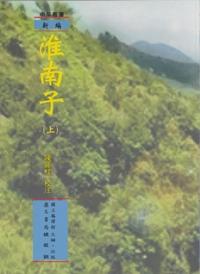
商品資料
作者:陳麗桂校注
出版社:國立編譯館
出版年:2002
課程類型:人文社會>經典古籍
檔案格式:PDF
書籍簡介
Postwar Hong Kong cinema played an active role in building the colony’s community in the 1950s and 1960s. To Jing Jing Chang, the screening of movies in postwar Hong Kong was a process of showing the filmmakers’ visions for Hong Kong society and simultaneously an attempt to conceal their anxieties and mask their political agenda. It was a time when the city was a site of intense ideological struggles among the colonial government, Chinese Nationalists, and Communist sympathizers. The medium of film was recognized as a powerful tool for public persuasion and various camps competed to win over the hearts and minds of the audience. Screening Communities thus situates the history of postwar Hong Kong cinema at the intersection of Cold War politics, Chinese culture, and local society.
Focusing on the genres of official documentary film, leftist family melodrama (lunlipian), and youth film, this study examines the triangulated relationship of colonial interventions in Hong Kong film culture, the rise of left-leaning Cantonese directors as new cultural elites, and the positioning of audiences as contributors to the colony’s journey toward industrial modernity. Filmmakers are shown having to constantly negotiate changing sociopolitical conditions: the Hong Kong government presenting itself as a collaborative ruling body, moral and didactic messages being adapted for commercial releases, and women becoming recognized as a driving force behind Hong Kong’s postwar industrial success. In putting forward a historical narrative that privileges the poetics and politics of shaping a local community through a continuous screening process, Screening Communities offers a new interpretation of the development of Hong Kong cinema—one that breaks away from the usual accounts of the “rise and fall” of the industry. 作者簡介
作者簡介
Jing Jing Chang
is associate professor of film studies at Wilfrid Laurier University, Canada. She has written articles on such topics as celebrity culture and Cold War politics in postwar Hong Kong cinema. Her current research explores the sexual politics of Hong Kong cinema since the 1970s. 章節
List of Illustrations(第vi頁)Acknowledgments(第viii頁)Introduction(第1頁)Part 1. Toward a Colonial Modernity:From Imperial Legacy to Colonial Politics(第21頁)- 1. Film Censorship and the Regulatory Context of Postwar Hong Kong(第23頁)
- 2. Between Idealism and Pragmatism:Postwar Hong Kong’s Official Film Culture(第46頁)
Part 2. Toward a Leftist Vernacular Modernism:From the National to the Familial(第73頁)- 3. May Fourth and Postwar Hong Kong’s Leftist Cantonese Cinema(第75頁)
- 4. Familial Address and the Aesthetics of Lunli(第102頁)
Part 3. Toward a Gendered Industrialized City:From a Borderless to a Localized Place(第125頁)- 5. The Nanyang Ethos and Engendering the Chinese Overseas Experience(第127頁)
- 6. Girls in Masquerade:Celebrity Culture and Fandom in 1960s Hong Kong Youth Film(第150頁)
Coda:The Persistence of Screening Community in Post–Cold War Hong Kong(第173頁)Glossary(第185頁)Notes(第187頁)Filmography(第207頁)Bibliography(第210頁)Index(第223頁)
|


 您現在的位置:
 電子書綜合教學

