最新目錄光碟
國小.國中.高中教學
線上課程綜合教學
電子書綜合教學
公職國考.研究所(單科)
公職國考就業(套裝)
專業繪圖軟體
程式軟體光碟
知識、遊戲、音樂
|
 您現在的位置:網站首頁  電子書綜合教學
語言學習、電腦資訊
光碟詳情 |
|
| 商品編號: | DCN2785 | |
| 商品名稱: | 文法片語相見歡. I 出版公司:台北市基督教救世傳播協會彭蒙惠英語 作者:空中英語教室編輯群 類型:語言學習-英文學習 PDF電子書 繁體中文版 | | | 語系版本: | PDF電子書 繁體中文版 | |
| 運行平台: | PDF電子書,沒有任何平台限制,終身使用 | |
| 更新日期: | 2026-05-01 | |
| 光碟片數: | 1片CD光碟 | |
| 銷售價格: | $100元 | |
| 熱門標籤: | 語言學習
英文學習
| |
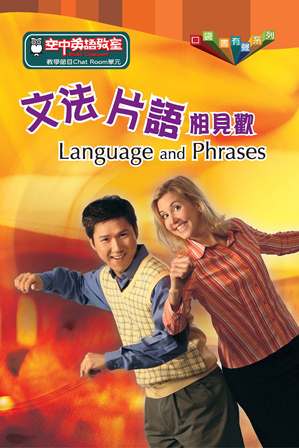
文法片語相見歡. I 出版公司:台北市基督教救世傳播協會彭蒙惠英語 作者:空中英語教室編輯群 類型:語言學習-英文學習 PDF電子書 繁體中文版
商品資料
作者:空中英語教室輯群
出版社:台北市基督教救世傳播協會彭蒙惠英語
出版年:2006
課程類型:語言學習>英文學習
檔案格式:PDF
ISBN:9789868189652
書籍簡介
序言簡介
你想學一些成語好讓你的英語聽起來更自然嗎?也許你想改進自己的文法。或者你會想在語彙裡增加一些常用的片語吧?藉著與我們一起在Chat Room學習,你可以達成的不僅於此。我們的討論會提供詳細的講解,使你知道如何正確使用英文。不只如此,我們還會帶著你進一步探索許多片語與慣用語的社會與文化背景。透過更深地理解為何我們這樣說英文,你會更容易記得這些課程。
的確,英文是一個溝通的工具、一把發現有趣資訊與洞悉西方文化的鑰匙。我們確信你在與我們一起學習英文語言與片語時,既有知識上的收穫,又會感到趣味盎然。經常在有需要時複習我們所討論過的內容,並把它們用出來吧!讓我們以一句常用的成語來鼓勵你:熟能生巧!
章節
1. Singular and plural pronouns 單數與複數代名詞(第1頁)2. The “e-e” ending on certain verbs 字尾加 e-e 的動詞(第3頁)3. The present perfect tense 現在完成式(第5頁)4. Using the verb “go” 使用go這個動詞(第7頁)5. “Turn a blind eye” and related idioms 諺語 turn a blind eye 與相關用詞(第9頁)6. “Before my eyes” and related idioms諺語 before my eyes 與相關用詞(第11頁)7. The infinitive “to help”不定詞 to help(第13頁)8. The phrase “to be known as”片語 to be known as(第15頁)9. The preposition “off”介系詞 off(第17頁)10. Examples of acronyms頭字語範例(第19頁)11. The catch phrase “no problem!”琅琅上口的片語 no problem!(第21頁)12. “Face” idioms有關 face 的慣用語(第23頁)13. What does it mean to have an urge?什麼是 have an urge?(第25頁)14. The function of the apostrophe撇號的功能(第27頁)15. Who are your peers? What is a clique?誰是你的 peers? Clique 又是什麼?(第29頁)16. Some problems with the word “problem”有「問題」(第31頁)17. Idioms related to the word “sea”與 sea 有關的慣用語(第33頁)18. Useful telephone phrases電話交談的實用片語(第35頁)19. A test for determining which pronouns to use要使用哪個代名詞?(第37頁)20. Using the phrase “a matter of” correctly正確地使用片語 a matter of(第39頁)21. The suffixes “able” and “ible”字尾 able 與 ible(第41頁)22. The story left us “hanging”有懸疑性結尾的故事(第43頁)23. An eye for an eye, a tooth for a tooth以眼還眼,以牙還牙(第45頁)24. When to use the prefixes “non” and “un”何時使用字首 non 與 un(第47頁)25. Describing a person with experience形容經驗老道的人(第49頁)26. Phrases related to the heart與 heart 有關的片語(第51頁)27. Different ways to use the word “name”幾種用 name 的不同方式(第53頁)28. How to use alliteration?如何使用頭韻?(第55頁)29. Examples of hyperbole誇飾法的一些範例(第57頁)30. Emphasizing italicized words強調斜體字(第59頁)31. Different meanings of the word “out”幾種用 out 的不同說法(第61頁)32. What does it mean to “show one’s hand”?什麼是 show one’s hand?(第63頁)33. Clichés related to food and life與食物及生活有關的俗語(第65頁)34. Quotation marks and animal sounds引號和描述動物聲音的字彙(第67頁)35. How to use the word “invite” correctly如何正確地使用 invite 這個字(第69頁)36. Who is “that special someone”?誰是 that special someone?(第71頁)37. The meaning of “respect is key”什麼是 respect is key?(第73頁)38. The idiom “to cry over spilled milk”成語 to cry over spilled milk(第75頁)39. To have a crush on someone暗戀某人(第77頁)40. A roller coaster ride vs. smooth sailing比較 a roller coaster ride 和 smooth sailing(第79頁)41. Capitalizing titles; describing “first love”大寫頭銜;描述 first love(第81頁)42. The short phrase “you see”短片語 you see(第83頁)43. Repeating words for emphasis重覆字詞以強調(第85頁)44. An interesting point about Chinese grammar中文語法中有趣的一點(第87頁)45. Words related to handling complaints與處理抱怨有關的字彙(第89頁)46. Using the word “well” well如何妥善地使用 well(第91頁)47. “Influence” and related expressions表達 influence 這個字和其它相關用詞(第93頁)48. The phrase “thanks to”片語 thanks to(第95頁)49. Using the phrase “I’m no. . .” correctly正確地使用片語 I’m no. . .(第97頁)50. Look up to someone vs. look up someone比較 look up to 某人 與 look up 某人(第99頁)51. Idioms related to the word “step”與 step 有關的慣用語(第101頁)52. How something “gets its start”某事如何 gets its start(第103頁)53. How can a town “feel”?一個小鎮要怎麼 feel?(第105頁)54. Examples of compound words複合字的範例(第107頁)55. “How’s it going?” and other greetings打招呼的片語(第109頁)56. The idiom “no pain, no gain!”片語 no pain, no gain!(第111頁)57. To see “eye to eye” with someone和某人 eye to eye(第113頁)58. The phrase “no sweat!”片語 no sweat!(第115頁)59. Using the word “perfect” perfectly!完美地運用 perfect 這個字!(第117頁)60. Cliques, peer pressure and the “queen bee”小團體、同儕壓力與「女王蜂」(第119頁)61. Words we use to describe a close friend形容密友的字(第121頁)62. Capitalizing North, South, East and West何時要將North, South, East 與 West 大寫(第123頁)63. To“face off ”against something什麼是 face off?(第125頁)64. Examples of word plays文字遊戲的範例(第127頁)65. Starting a sentence with “boy” or “man”用 boy 或 man 開始一個句子(第129頁)66. Apologies; describing expectations道歉和形容期待的詞語(第131頁)67. The word “boost” and related idioms與 boost 這個字有關的用語(第133頁)68. Adjectives that are used as nouns被當作名詞使用的形容詞(第135頁)69. Who are senior citizens?誰是 senior citizens?(第137頁)70. When you’re at a loss for words說不出話時的回應方法(第139頁)71. What is an understatement?什麼是 understatement?(第141頁)72. Using prepositions correctly正確地使用介系詞(第143頁)73. Using the word “landscape” correctly正確地使用 landscape 這個字(第145頁)74. How to use the word “killer” informally以非正式的方式使用 killer 這個字(第147頁)75. Idioms related to money與金錢有關的片語(第149頁)76. Using “walk” as a noun將 walk 當名詞使用(第151頁)77. The meaning of the phrase “in vain”片語 in vain 的意思(第153頁)78. To be “in love” with someone與某人 in love 是什麼意思(第155頁)79. Ways to use the word “put”用 put 這個字的方法(第157頁)80. What does “high profile” mean?什麼是 high profile?(第159頁)81. The word “punctual” and a related idiom關於 punctual 和另一個相關片語(第161頁)82. The plural form of certain foods一些特定食物的複數形態(第163頁)83. What is an ellipsis and when is it used?什麼是 ellipsis 以及什麼時候使用?(第165頁)84. Sentence patterns using “what” and “for”常用的 what 和 for 的句型(第167頁)85. Idioms related to beauty與 beauty 有關的成語(第169頁)86. Let's talk about “good looks”讓我們來討論 good looks(第171頁)87. A grammar point about is/are關於 is/are 的文法規則(第173頁)88. Idioms using the word “corner”使用 corner 這個字的片語(第175頁)89. Different ways to use the word “clue”使用 clue 的不同方式(第177頁)90. Idioms that use the word “hot”使用 hot 的慣用語(第179頁)
|
|
|


